
Everything rises and falls on leadership and in schools, leadership rarely comes from a mandate, but rather, one student who takes a conversation about character seriously enough to lead it. A peer-led leadership curriculum starts a ripple that impacts so much more than just where it started.
One Principal’s Choice, One Unstoppable Ripple
In Kigali, Rwanda, a school principal decided to implement a student leadership curriculum in his school, and he didn’t know the impact his decision would have for years to come.
His staff were trained and his students were taught values-driven lessons that continued to be meaningful long after they left the classroom. The students who completed the program became peer mentors to those who hadn’t yet completed it and were taught the same lessons that the first students had been taught. They were leaders in their organizations, following the same leadership guidelines they had first practiced in the program.
Five years later, 3,000 students had gone through the program at this principal’s school, all of them having been positively impacted by the one choice he’d made to implement a peer-led leadership curriculum.
The Ripple, Unfolding
It is worth taking a moment to see exactly what a ripple looks like as it passes through one student to the next, because it is often not such a grand gesture.
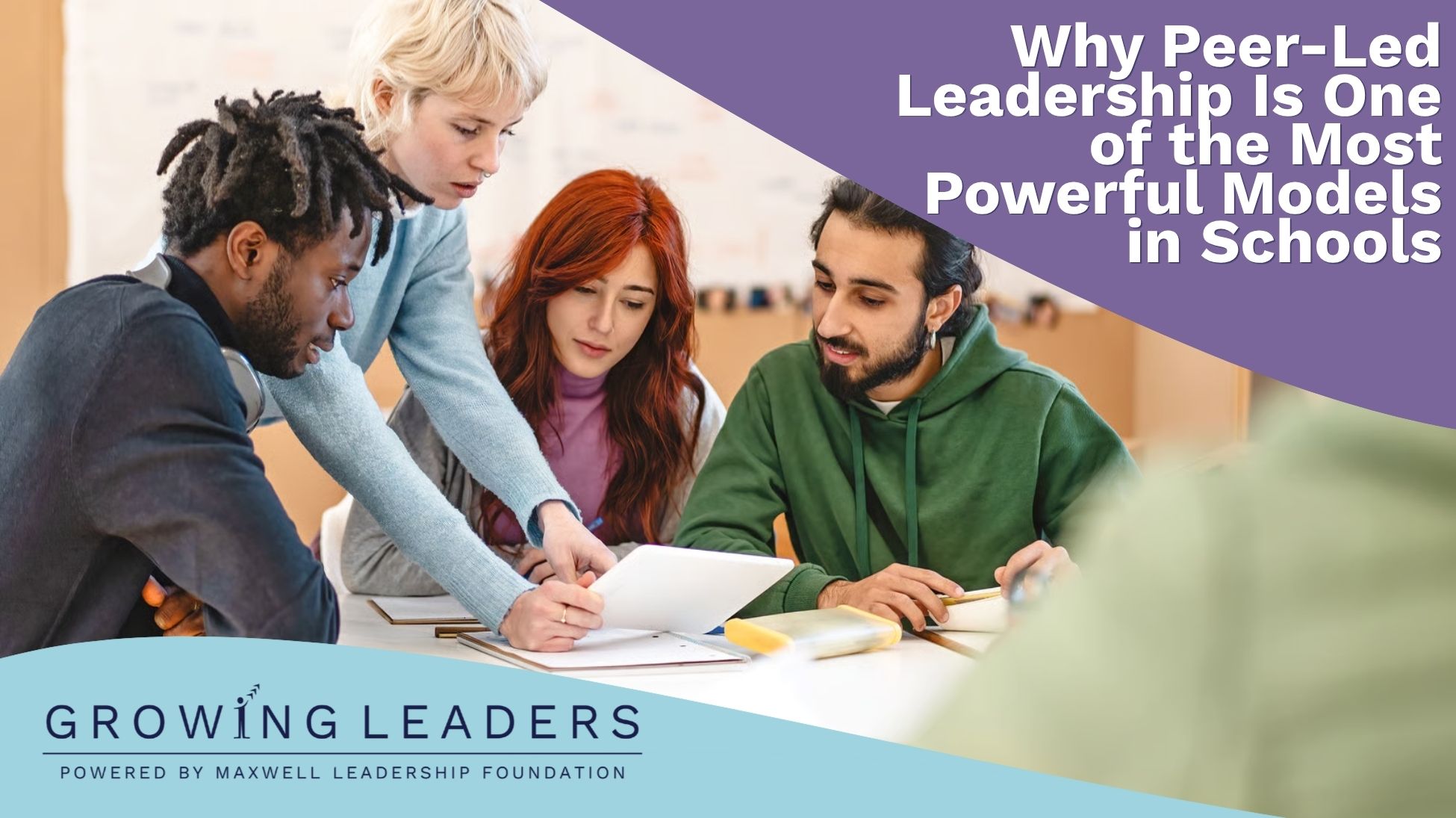
It starts at a table where one student is trained to facilitate a roundtable discussion about a value such as courage. The student might be anxious and not sure that her peers will listen to her, but she sits at the table anyway. The table changed her; in facilitating discussions like this one, she must embody and therefore practice these values and she doesn’t know if the next roundtable will have participants that listen.
And so she becomes a peer mentor because now she has been trained to lead those discussions. One day a younger student asks her for advice in a difficult year and she will guide and support them as she grows in her leadership. This student becomes a community leader as she graduates and leaves the school not long after, but she isn’t able to stop being a leader. She may head up her own organization or be a leader in her community; leadership is influence, not position, and either way she uses her influence for the best of her neighbors and has had years of experience leading and influencing others.
This is the multiplication mindset that’s central to everything Growing Leaders and Maxwell Leadership Foundation do, and is at the heart of this article: leaders who train leaders who train leaders until the count is too great to measure.
Why the Ripple Can Only Begin with Peers
None of it would be possible if this chain only started with adults. A peer-led leadership curriculum is the ripple, and it makes sure that the student who has been led is now able to step up and lead someone else, because they’re close enough in age and experience to someone else still learning to lead.
This close proximity is a big part of what makes peer-led leadership programs so valuable in a school setting: adult-led programs teach values well, but peer-led programs teach values and produce future facilitators and mentors who can continue to spread this positivity far and wide.
iLead was designed with this philosophy in mind, and has been scaled to meet students at all levels, from iLead Elementary, to iLead Middle School, and iLead High School, since the earlier a student can start facilitating these roundtable discussions, the faster this unstoppable ripple will spread.
The Multiplication Effect, at Work
The story of this one principal in Kigali is just one example of how these ripples spread out from one student leader, and it’s a telling example, because it’s surely the farthest this ripple will go. As this one student started helping lead these conversations at her table, she influenced those at her table, who influenced those at their table, and so on until that young woman was influencing organizations and communities well beyond her own. Transform lives. Strengthen communities. Change nations. All it takes is a leader, and if the curriculum is right, then it gives your school the opportunity to change the world one student at a time.
Start Your School’s Ripple
Every ripple that started in Kigali started with one student and one table. A peer-led leadership curriculum like iLead can give your students the tools they need to start their own ripples and influence those around them. Discover how your school can begin its own unstoppable ripple at growingleaders.com.